Why Chris Packham’s Clarkson’s Farm Comments Have Angered British Farmers.
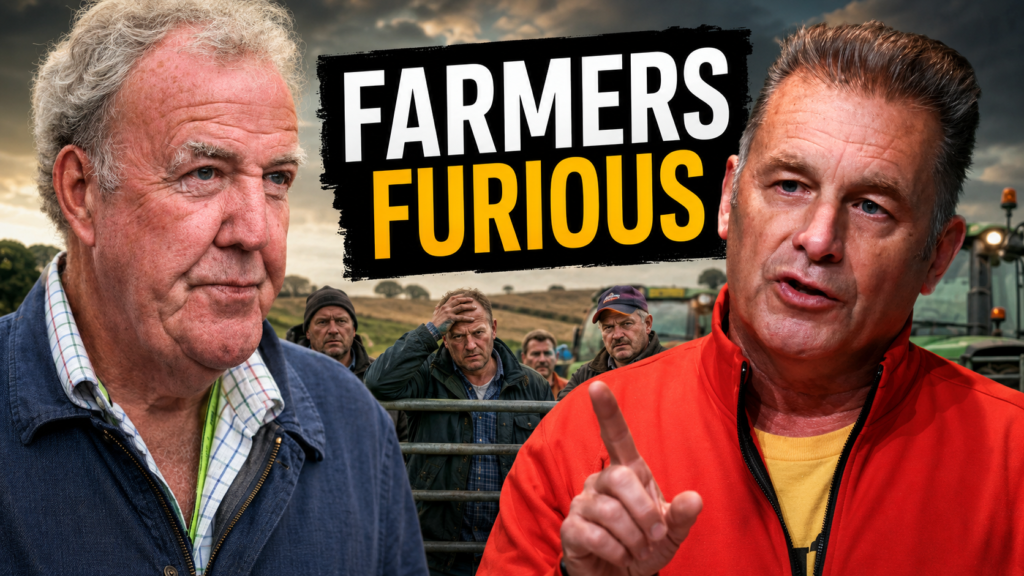
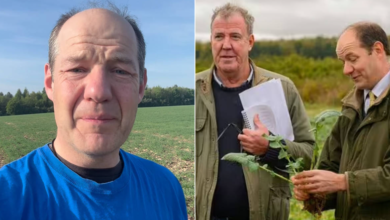
Chris Packham has found himself at the centre of a growing dispute with Britain’s farming community after criticising the way agriculture is portrayed in Clarkson’s Farm. What began as a brief reaction to the programme’s animated opening sequence has since developed into a much wider argument about intensive farming, animal welfare and whether modern British agriculture is being represented fairly.
The wildlife broadcaster made the remarks while appearing on Celebrity Gogglebox, where he watched the opening moments of Jeremy Clarkson’s popular Prime Video series. Rather than focusing on the events at Diddly Squat Farm, Packham immediately questioned the show’s cheerful depiction of rural life.
He argued that the colourful animation did not represent the reality of farming across much of Britain. According to Packham, many farms are dominated by monocultures, regularly treated with chemical fertilisers and other agricultural products. He also suggested that large numbers of farm animals are kept indoors in restrictive conditions.
The comments were intended as criticism of intensive agricultural systems, but many farmers felt Packham had crossed a line by appearing to describe the industry as a whole in deeply negative terms.




For those working in agriculture, the problem was not simply that Packham raised concerns about certain farming practices. Many objected to what they saw as a sweeping generalisation that ignored the diversity of British farms and the considerable changes made across the sector in recent decades.
Jeremy Clarkson Challenges Packham’s Description
Jeremy Clarkson soon responded through his column in The Sun, using his familiar sarcasm to question why Packham had treated an animated sequence as though it were intended to be a documentary representation of every farm in Britain.
Clarkson pointed out that the introduction was “a drawing,” designed to set the tone for the programme rather than provide a technical overview of modern agriculture.

He also reminded readers that Packham had previously visited Diddly Squat Farm. Clarkson recalled the broadcaster coming to the property in 2012 for birdwatching and foraging. His argument was straightforward: if the farm had been the environmentally destructive place described in Packham’s wider remarks, why had those concerns not been raised during the visit?
That response turned the disagreement into more than a debate about television graphics. It became a direct challenge to Packham’s credibility and his description of farming conditions.
Clarkson has often been criticised for his lack of agricultural experience, yet Clarkson’s Farm has earned praise from many farmers for highlighting the financial uncertainty, bureaucratic pressure and unpredictable conditions involved in producing food.
For Clarkson’s supporters, Packham’s reaction overlooked the very purpose of the series. While the programme contains humour and carefully edited entertainment, it has also shown crop failures, animal illness, changing weather, rising costs and the emotional burden carried by farming families.

Farmers Accuse Packham of Unfairly Targeting the Industry
The backlash quickly spread across social media, where farmers and agricultural commentators challenged Packham’s claims.
One commentator accused him of promoting a hostile agenda against farming, arguing that his remarks created the impression that most British farms are environmentally harmful monocultures with poor animal welfare standards.
Others rejected that characterisation, pointing to mixed farms, pasture-based livestock systems, conservation projects and the increasing use of more sustainable land-management techniques.
Agricultural commentator Tom, known online as @agrispec_tom, argued that Packham’s description failed to acknowledge decades of improvement within the sector. British farmers, he suggested, have been required to meet increasingly demanding standards involving animal care, soil management, water protection and environmental responsibility.

That does not mean the industry is without problems. Intensive farming remains a legitimate subject for scrutiny, and debates continue over pesticides, biodiversity loss, livestock housing and the balance between food production and environmental protection.
However, farmers who responded to Packham felt those complex issues had been reduced to a few damaging statements that portrayed producers as careless or cruel.
Clarkson’s Farm Defended as a Voice for Agriculture
Mo Metcalf-Fisher of the Countryside Alliance also defended Clarkson’s Farm, arguing that the series has helped improve public understanding of agriculture.
Before the programme, many viewers may have known little about the pressures facing farmers beyond supermarket prices and occasional reports about weather or rural protests. Clarkson’s series brought those pressures into people’s homes through a combination of entertainment and real-world agricultural challenges.
The programme has examined planning restrictions, livestock management, machinery costs, changing regulations and the difficulty of making farms financially sustainable. It has also shown the relationship between farmers and the countryside they manage.

Supporters believe that this has made the series one of the most influential farming programmes on British television, even though Clarkson himself entered the industry as an inexperienced landowner.
That influence may explain why Packham’s comments caused such a strong reaction. Farmers who already feel misunderstood by the wider public may see Clarkson’s Farm as a rare platform that allows their concerns to reach a large audience.
When Packham suggested the programme presented an idealised version of agriculture, many within the sector interpreted the remark as an attempt to undermine one of the few mainstream shows that regularly discusses their difficulties.
A Wider Battle Over the Image of British Farming
The dispute reflects a much larger tension between environmental campaigners and food producers.
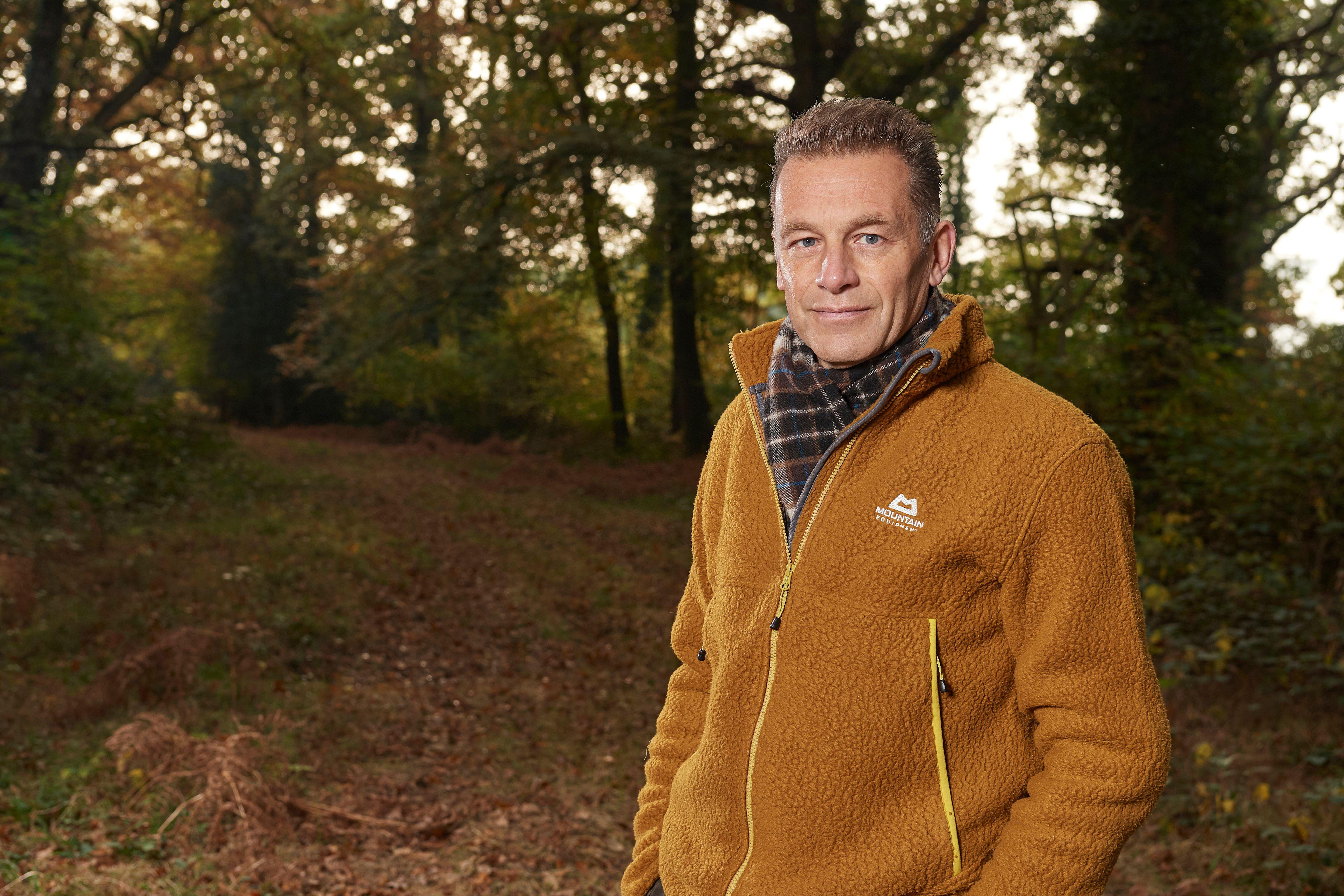
Packham has built his career around wildlife conservation and has repeatedly criticised practices he believes damage habitats or reduce biodiversity. Farmers, meanwhile, argue that they are expected to produce affordable food while meeting environmental targets, protecting animals and surviving under considerable financial pressure.
Both sides agree that the countryside matters. The disagreement is about how responsibility should be shared and how farming should be discussed publicly.
Packham’s supporters may argue that television should not romanticise agriculture or ignore the impact of intensive production. Clarkson’s supporters respond that the series has never pretended farming is easy or perfect. In fact, its popularity comes largely from showing how frequently plans fail.
The opening animation may be simple and cheerful, but the episodes that follow often reveal a much harsher reality.
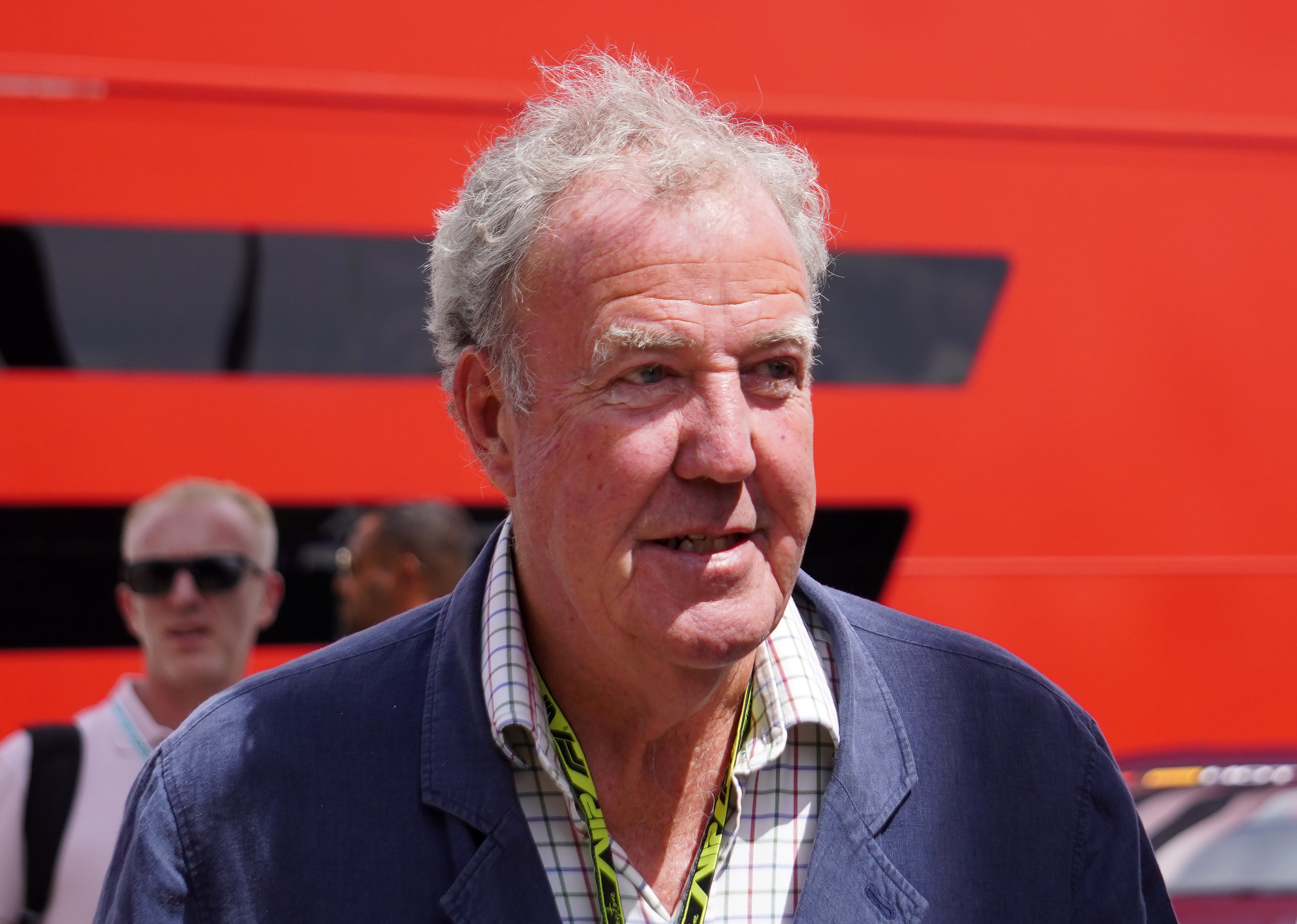
That is why the controversy continues to resonate. It is not really about a drawing. It is about who gets to define modern British farming: environmental campaigners, television personalities or the farmers working the land every day.
For many agricultural workers, Packham’s remarks felt less like constructive criticism and more like another broad accusation directed at an industry already under intense pressure. Clarkson’s response, in contrast, reinforced his growing role as an outspoken defender of Britain’s farming community.
The disagreement is unlikely to disappear quickly, because it touches on questions far bigger than one television programme. It raises a continuing debate about food, wildlife, rural life and whether the public is being shown the full reality of British agriculture.